
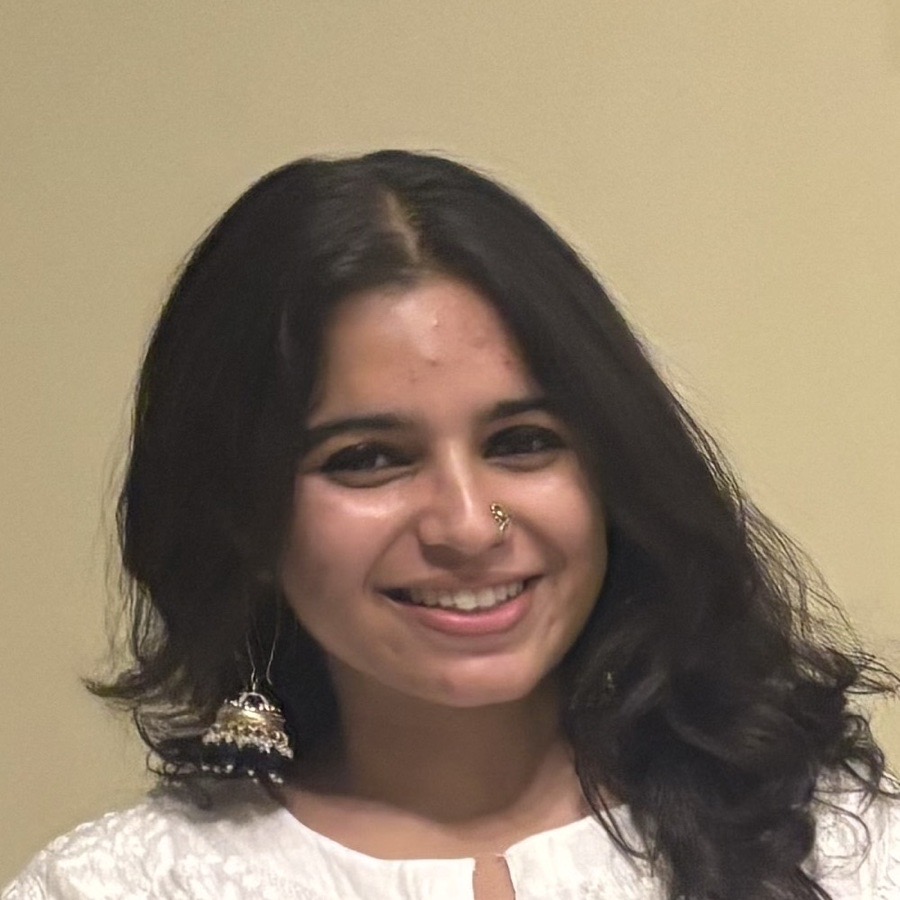
Krishita Ohri
Counselling Psychologist · Trauma-informed · From an Army family
- Psychologist, Military Hospital, Devlali
- Artillery Centre, Nashik
- Trained at TISS
At a glance
- For: serving members of the Army, Navy and Air Force, their spouses and parents, children from 17, cadets and trainees, and veterans. For teenagers under 17, see adolescent therapy.
- How: online by secure video, from quarters, a new station or abroad. A posting does not interrupt your sessions.
- Fee: ₹1,650 for 50 minutes, shown in full before you pay. The same fee if you are posted outside India.
- Confidential: we do not contact your unit, your commanding officer or your family.
- Languages: English, Hindi and Punjabi.
Service life asks a great deal of the person in uniform, and quietly just as much of the people around them. Families pack up a home every few years, children change schools again, and partners hold everything together while trying not to worry out loud. Much of it is carried in silence, because everyone around you seems to be coping. Therapy is a place to say what you cannot say in the mess, at a welfare meeting or on the phone home.
What families bring to us
- Separation and field postings: months apart, missed occasions, running a home alone, and the strain on a relationship that is mostly phone calls.
- Worry you don’t say aloud: fear for a partner’s or child’s safety, sleep that won’t come, being on edge whenever the phone rings.
- Moving again: a new station every two or three years, starting over with friends, and a spouse’s own career and identity put on hold.
- When someone comes home: adjusting to each other again after a long posting, or noticing someone has come back changed.
- Cadets and trainees: pressure, homesickness and the weight of expectations in training, from 17 upwards.
- After something hard: an accident, a loss in the unit, violence or a frightening experience that hasn’t let go. Nothing has to be retold before you are ready. Read military trauma and PTSD in India or anxiety symptoms and help.
- Leaving the service: veterans finding their place in civilian life, work and a slower pace.
Why families choose Krishita
- Military Hospital, DevlaliShe already knows this world.
She counsels Army patients and supports trainers and trainees at the Artillery Centre, Nashik. You won’t spend your session explaining what a posting is.
- Grew up in an Army familyShe has lived it, too.
Postings, distance and discipline were part of her own childhood, so she understands what they ask of the family, not only of the person in uniform.
- TISS · Trauma-informedYou set the pace.
A PG Diploma from the Tata Institute of Social Sciences and a certificate of practice in trauma-informed therapy. Safety and choice come first.
Rooh Mind Care is an independent private practice, not affiliated with or endorsed by the Indian Army, Navy or Air Force.
Practical things families ask
Privacy at home
Use earphones and pick a time when you can speak freely, perhaps while children are at school. If privacy is hard in quarters, tell us; we can plan around it.
A new posting
Sessions are online, so they move with you. You keep the same psychologist from one station to the next.
Unpredictable duty
Book one session at a time if your schedule changes at short notice. See the cancellation policy.
Your first session
It is a conversation, not a test, and you choose what to talk about. See what happens in a first session.
Fees
50 minutes₹1,650
Shown in full before you pay, and the same if you are posted outside India. See all fees →
Common questions
Will my unit or commanding officer know I am in therapy?
Not from us. Sessions are confidential, and we do not contact your unit, your commanding officer or your family. The usual limits apply where there is a serious risk to your life or someone else’s. If you are unsure how your own service rules apply to you, you can raise that in the first session.
Is Rooh Mind Care part of the Army or the armed forces?
No. Rooh Mind Care is an independent private practice. It is not affiliated with or endorsed by the Indian Army, Navy or Air Force. Krishita Ohri works as a psychologist at Military Hospital, Devlali, and at the Artillery Centre, Nashik, and sees private clients online with Rooh Mind Care separately.
We move every two or three years. Can therapy carry on after a posting?
Yes. Sessions are online by secure video, so a new posting does not mean starting again with someone new. You join from your browser, with nothing to install, from wherever you are in India or abroad, at the same fee.
My spouse is posted away. Can I come on my own?
Yes. Many people come on their own: the partner at home, a parent, or the serving member. You do not need your spouse to agree or attend. If you would like to come together, couples therapy is with another of our psychologists.
Does Krishita see veterans and retired personnel?
Yes. She sees adults of any age, including veterans adjusting to civilian life, and adolescents from 17, including cadets and trainees.
How much is a session?
₹1,650 for a 50-minute session with Krishita Ohri, shown in full before you pay. The fee is the same for families posted outside India.
Which languages can I use?
English, Hindi and Punjabi.
Start with one session
Choose a time with Krishita Ohri, or ask us a question on WhatsApp first. Online, in English, Hindi or Punjabi.