
The Rooh Mind Care Journal
Mental health, explained properly
Evidence-informed articles written by the clinicians at Rooh Mind Care. Plain language, current research cited in full, and no advice we would not give in the room.
- 29 articles
- 8 topics
- Clinician-reviewed
- Every claim cited
Explore by topic
What’s on your mind?
Pick a topic and go straight to the articles written for it.
- New to therapy What happens in a session, who to see, and what it costs. 6 articles
- CBT, DBT & approaches The methods behind the conversation, and how to choose. 6 articles
- Anxiety & stress Worry, pressure and the fear of being judged. 6 articles
- Students & young people Exams, campus pressure and growing up online. 3 articles
- Modern life Screens, focus, work and money in a fast world. 6 articles
- Depression & loneliness Low mood, grief and feeling alone, at any age. 5 articles
- Relationships & intimacy Attachment, boundaries, sex and connection. 5 articles
- Films & meaning Stories that help us understand ourselves. 2 articles
Featured
Worth reading first

Editor’s pick
Depression: Understanding the Signs, Causes, and Evidence-Based Treatment
Depression is more than feeling sad. What separates it from ordinary low mood, how it shows up, why it is not a lack of willpower, how it is assessed, and which treatments the evidence actually supports, including therapy, behavioural activation, exercise and medication.
Read the articleLatest articles
 Mental health in IndiaWorld Mental Health Day 2026: What the Data Says About Mental Health in India
 AnxietySocial Anxiety Treatment in India: Why Exposure Therapy Works When Willpower Doesn’t
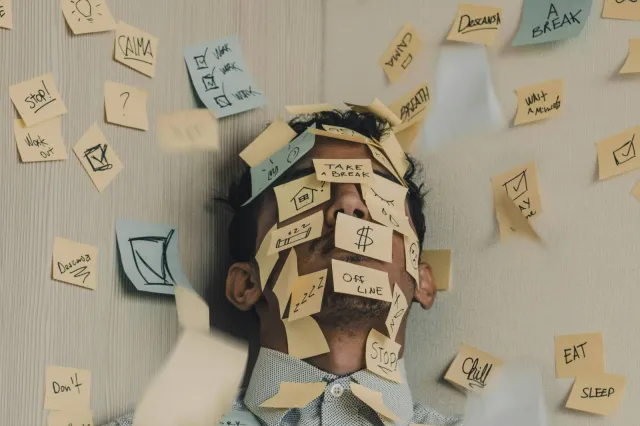 OverthinkingOverthinking: Why Your Mind Gets Stuck and How to Stop Overthinking
New to therapy
What happens in a session, who to see, and what it costs.
-

What to Expect in Your First Therapy Session
What your therapist will ask, how goals are set, what you don't need to prepare, and three simple questions to think about before you go.
Reviewed by Anamika Rawlani
-

Psychiatrist, Clinical Psychologist or Counselling Psychologist: Who Should You See?
All three work with emotional distress and their roles genuinely overlap. What actually separates them is training, assessment expertise, prescribing and scope of practice, and sometimes the answer is both.
Reviewed by Anamika Rawlani
-

How Much Does Therapy Cost in India — and Why Is It Still Taboo?
A premium phone costs more than a year of therapy and nobody asks you to justify it. Why one spend is easy to explain and the other is not, and where affordability is a real barrier rather than an excuse.
Reviewed by Anamika Rawlani
-

Why Therapy Is Therapy: The Problem With Calling Everything Therapy
Exercise therapy, movie therapy, shopping therapy. Some of these name real clinical disciplines and some are figures of speech, and the difference stops mattering only until you are actually unwell.
Reviewed by Anamika Rawlani
-
Therapy in Hindi: Why Language Matters and How to Find a Hindi-Speaking Therapist in India
Emotional experience is not always best accessed in a second language. Why therapy in Hindi can make it easier for many people to open up, and how to find a qualified Hindi-speaking clinical psychologist — online or in person.
Reviewed by Anamika Rawlani
CBT, DBT & approaches
The methods behind the conversation, and how to choose.
-

What Are the 5 Types of Therapy? CBT, Psychodynamic, DBT, Humanistic and Systemic Explained
The five main families of talking therapy: how each works, what a session feels like, what the research shows it helps with, and how to choose without needing to be an expert.
Reviewed by Anamika Rawlani
-

CBT Techniques: How Cognitive Behavioural Therapy Works and What It Costs in India
Thought records, behavioural activation, exposure and behavioural experiments explained — plus what a course of CBT looks like, how well it works, and what it costs in India.
Reviewed by Anamika Rawlani
-

DBT Skills: The Four Modules of Dialectical Behaviour Therapy Explained
Mindfulness, distress tolerance, emotion regulation and interpersonal effectiveness — the named skills in each DBT module (TIPP, STOP, DEAR MAN and more), the evidence, and DBT in India.
Reviewed by Anamika Rawlani
-

CBT vs DBT: What's the Difference, and Which Therapy Is Right for You?
DBT grew out of CBT, but they were built for different problems. A side-by-side comparison of techniques, format and evidence, with examples to help you work out which fits.
Reviewed by Anamika Rawlani
Anxiety & stress
Worry, pressure and the fear of being judged.
-

Social Anxiety Disorder: When Fear of Being Judged Starts Controlling Your Life
There is a difference between being shy and being afraid of being judged. What social anxiety actually is, why avoidance keeps it going, and the treatment — including CBT — that the evidence supports, for Indians in India and NRIs.
Reviewed by Anamika Rawlani
-
Social Anxiety Treatment in India: Why Exposure Therapy Works When Willpower Doesn’t
CBT with exposure therapy is the first-line treatment for social anxiety. How a fear ladder works, why safety behaviours keep anxiety alive, what treatment costs in India, and where to find free help.
Reviewed by Anamika Rawlani
-

Will AI Take My Job? The Psychology of AI Job-Loss Anxiety
Why fear of automation weighs on mental health, what the ILO, IMF and WEF actually say about AI and jobs, and seven practical ways to stay steady while work changes.
Reviewed by Anamika Rawlani
-

The Psychological Cost of Living: How Financial Pressure Affects Mental Health
Two people on the same salary can experience completely different levels of financial stress, and how strained you feel predicts distress over and above what you earn. Where therapy helps, and where it cannot.
Reviewed by Anamika Rawlani
-
Overthinking: Why Your Mind Gets Stuck and How to Stop Overthinking
Thinking is not the problem; thinking that repeats without going anywhere is. Worry, rumination and repetitive negative thinking explained, how to tell reflection from overthinking, and 10 evidence-informed ways out of the loop.
Reviewed by Anamika Rawlani
Students & young people
Exams, campus pressure and growing up online.
-

Student Suicides in India: What the Supreme Court-Appointed Task Force Found
A preliminary survey reports that 9% of students had frequent suicidal thoughts. What the numbers show and cannot show, how the Task Force has worked, and what students, families and universities can do.
Reviewed by Anamika Rawlani
-

When the Exam Becomes Your Life: Competitive Examination Anxiety Among Young Indians
For a UPSC, SSC or banking aspirant the exam is rarely just an exam. Why years of uncertainty wear people down, how the one-more-attempt cycle works, and where the line falls between pressure and something needing help.
Reviewed by Anamika Rawlani
Modern life
Screens, focus, work and money in a fast world.
-
World Mental Health Day 2026: What the Data Says About Mental Health in India
One in ten Indian adults lives with a mental disorder and most never get care. The numbers, the treatment gap, suicide data, the laws and helplines, what India spends, and where to get help.
By Anamika Rawlani · Reviewed by Dr Poornima Chandrashekar
-

Why You Can't Stop Scrolling: The Psychology of Doomscrolling and How to Take Back Control
Why "five minutes" on your phone becomes an hour: variable rewards, learned cues and the procrastination–guilt loop, plus the research-backed changes that actually help you stop doomscrolling.
Reviewed by Anamika Rawlani
-

ADHD and ADD: Symptoms, Differences, Diagnosis and Treatment
“Do I have ADD or ADHD?” The terminology has changed; the presentations have not. What ADHD looks like across ages, the three ICD-11 presentations, how it is assessed, and what actually helps.
Reviewed by Anamika Rawlani
-

Psychological Terms on Social Media: Awareness, Context and Mental Health Literacy
Selfish is not narcissistic, tidy is not OCD, and disagreeing is not gaslighting. Why awareness is real progress, and what gets stripped out of a clinical concept on the way to a caption.
Reviewed by Anamika Rawlani
Depression & loneliness
Low mood, grief and feeling alone, at any age.
-

Depression: Understanding the Signs, Causes, and Evidence-Based Treatment
Depression is more than feeling sad. What separates it from ordinary low mood, how it shows up, why it is not a lack of willpower, how it is assessed, and which treatments the evidence actually supports, including therapy, behavioural activation, exercise and medication.
Reviewed by Anamika Rawlani
-

The Loneliness of Living Abroad: Understanding the Psychological Cost for NRIs
Someone can have a good job, a comfortable home and an active social feed and still feel profoundly alone. What the research says about migration, connection, cultural adjustment and the in-between-ness many NRIs describe.
Reviewed by Anamika Rawlani
-

Therapy for Elderly and Older Adults: Understanding Depression and Mental Health in Later Life
Mental health difficulties in older adults are common, often missed, and highly treatable. This guide covers depression, grief and anxiety, the therapies that help, what to look for in a therapist, and how to access support online.
Reviewed by Anamika Rawlani
Relationships & intimacy
Attachment, boundaries, sex and connection.
-

Romantic Attachment Styles: The 4 Types, Attachment Theory and How They Affect Relationships
Why some people move toward closeness when frightened and others pull away. The four attachment styles, the theory from Bowlby to Hazan and Shaver, and why attachment is a map for understanding patterns — not a label for you or your partner.
Reviewed by Anamika Rawlani
-

Assertiveness: What It Is, Why It Matters and How to Become More Assertive
Saying what you need, clearly and respectfully, without silencing yourself or steamrolling anyone else. How assertiveness differs from passivity and aggression, and the evidence-based ways to set boundaries and say no.
Reviewed by Anamika Rawlani
-
Sexual Therapy for Men in India: What Psychosexual Therapy Is and How It Helps
Sexual concerns are common in men but rarely discussed. What psychosexual therapy addresses, how it works as a talking therapy, what happens in sessions, and how to access qualified sexual therapy online in India.
Reviewed by Dr. Poornima Chandrashekar
-

Women’s Sexuality in India: The Silence That’s Hurting Mental Health (and How to Break It)
Women’s sexuality is talked about as a risk, almost never as part of health. What Indian research shows, how stigma and silence affect mental health, five myths tested against evidence, and how therapy helps.
Reviewed by Anamika Rawlani
Films & meaning
Stories that help us understand ourselves.
-
4 Films That Understand Depression, Loneliness and Grief: A Clinical Psychologist's View
Eternal Sunshine of the Spotless Mind, Her, Manchester by the Sea and Tamasha, seen through a therapist's lens: emotional avoidance, loneliness, traumatic grief and living a life that does not feel like your own.
Reviewed by Anamika Rawlani
-

Project Hail Mary and Interstellar: Where Science Meets the Soul
Two science-fiction stories, one question: what matters when intelligence reaches its limits? Connection across difference, love across time, loneliness beneath capability, and what psychology says about meaning.
Reviewed by Anamika Rawlani
Nothing on that yet
Try a broader word, or pick a topic above. And if it is something you would like us to write about, tell us. We do take the suggestions.
Talk to a psychologist insteadHow we write
Education you can check for yourself
-
Written by clinicians
Each piece is written and reviewed by a registered clinical psychologist, and carries the date it was last reviewed.
-
Every claim cited
Every clinical claim is cited to a named source: a systematic review, a randomised trial, or an authoritative body such as the World Health Organization, so you can check it yourself.
-
Education, not diagnosis
These articles are mental health education, not diagnosis or treatment. If something here describes what you are going through, that is worth taking seriously, but it is not a diagnosis. A proper assessment is the way to find out what is actually happening.
What we are adding next
We do not publish to a schedule. An article goes up only once a clinical psychologist has reviewed it and every clinical claim in it is cited to a named source, so new pieces appear when they are ready, not to fill a calendar. If there is something you would find useful written about, tell us. We do take the suggestions.
Looking for support rather than reading?
Articles can help you make sense of what you are experiencing. They are not a substitute for talking to someone who can assess it properly.